Views: 0 Author: Site Editor Publish Time: 2026-08-26 Origin: Site


Mechanics have argued for decades about using diesel fuel as a cheap degreaser. It sits in almost every shop, readily available for soaking heavily soiled components. When you rebuild an engine, you face a specific problem. You must strip baked-on carbon, thick oil sludge, and road grime without damaging the base metals. You also cannot degrade rubber seals or leave behind residues that ruin gasket adhesion during reassembly. We must separate old-school garage habits from professional standards. Soaking disassembled car engine parts on a workbench is one thing. Spraying diesel into a fully assembled engine bay for cosmetic detailing is a dangerous, outdated practice. This guide moves past anecdotal advice. We will objectively evaluate diesel against modern commercial degreasers, fast-evaporating solvents, and professional parts washers based on efficacy, safety, and surface preparation standards.
Efficacy vs. Residue: Diesel is a highly effective, low-cost solvent for breaking down heavy sludge, but it leaves an oily film that actively interferes with final assembly, painting, and gasket sealing.
Material Compatibility: While safe for cast iron and aluminum, prolonged exposure to diesel will swell, degrade, or destroy most standard rubber seals, O-rings, serpentine belts, and plastic components.
Safety and Compliance: Using diesel as an open-air cleaner introduces significant flammability risks, toxic VOC exposure, and strict hazardous waste disposal compliance issues.
The Modern Verdict: Diesel is viable only as an initial "pre-soak" for heavily neglected cast iron; professional engine rebuilding requires dedicated aqueous parts washers or residue-free solvents for final prep.
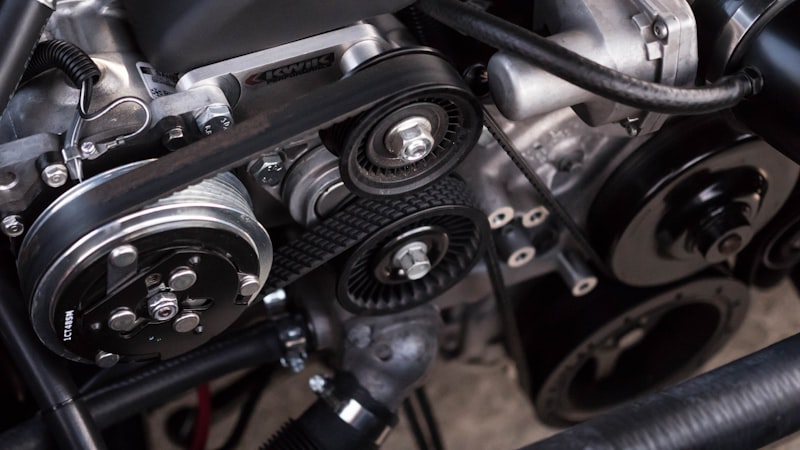
Cosmetic engine bay washing and deep-cleaning for a rebuild are two entirely different jobs. Back in the day, guys would spray diesel over a warm block just to make the plastics shine for a quick sale. That treats the fuel as a dressing, not a cleaner. When you leave diesel on exterior surfaces, it acts like a dust magnet. It coats wiring harnesses, saturates rubber belts, and accelerates their breakdown. You end up with belt squeal and a thick layer of abrasive grime a week later. Deep-cleaning individual components on a bench requires stripping away every contaminant down to the bare metal. You want a pristine surface ready for machining, micrometer measurement, or final reassembly. You cannot measure a cylinder bore accurately if it has a layer of baked-on varnish.

Modern engine assembly relies on chemical sealants. Room Temperature Vulcanizing (RTV) silicone, anaerobic thread-lockers, and engine enamels demand absolute cleanliness. You need a completely dry, oil-free surface for these chemicals to bond. If you leave a microscopic layer of diesel residue on a timing cover mating surface, the RTV will fail. The oil prevents the silicone from cross-linking with the metal pores. This guarantees a massive oil leak the second you fire up the motor. Thread-lockers applied to oily bolts will not cure, leading to backed-out fasteners and catastrophic failure. Engine enamel sprayed over a diesel-washed block will immediately fish-eye, bubble, and peel off in sheets. Surface preparation dictates the mechanical reliability of the entire build.
Choosing the right solvent means protecting the base material. You must avoid aggressive chemicals that cause hydrogen embrittlement in high-strength steel fasteners like head bolts or main studs. You also need to prevent flash rusting on freshly machined bare steel or cast iron cylinders. Diesel actually excels at preventing flash rust because of its oily nature. It coats the metal and blocks oxygen and moisture. However, it fails completely in final prep. When cleaning machined aluminum mating surfaces, you must avoid highly caustic alkaline cleaners that can cause pitting. Diesel is chemically safe for aluminum and iron. It will not eat the metal. But you still have to manage how long components sit in any chemical bath to prevent unintended surface etching or discoloration.
Your cleaning strategy must match your workspace and volume. A DIY engine rebuild usually involves low volume and manual scrubbing. A guy in his home garage might tolerate the slow process of soaking parts in a bucket of diesel and scrubbing them with a wire brush for three hours. A professional remanufacturing environment operates differently. High volume demands automated parts washers. Machinists cannot afford the labor hours required to manually scrub and double-wash diesel-soaked components. They rely on heated aqueous tanks that clean rapidly and leave parts ready for immediate assembly. Time is money in a shop. Spending two hours scrubbing an oil pan with diesel makes zero sense when a hot tank does it in fifteen minutes.
Diesel fuel is a complex mixture of aliphatic hydrocarbons. These chemical compounds penetrate and dissolve polymerized motor oil exceptionally well. When oil cooks onto a cylinder head over a hundred thousand miles, it forms a hard carbon crust. Diesel seeps into the microscopic pores of this crust. It breaks the chemical bonds holding the heavy grease together. Because it evaporates very slowly, diesel can sit on a heavily soiled part for days, continuously working to soften the sludge. This prolonged active time makes it highly effective for breaking down the worst engine grime. You can drop a caked oil pan into a tub of diesel on Friday, and by Monday, the sludge wipes off with a rag.
Using diesel comes with a massive compromise. It always leaves behind a distinct oily film. This characteristic offers a specific advantage during long-term projects. The residual film prevents flash rusting on bare cast iron blocks and cylinder heads during extended storage. If you are waiting weeks for parts from the machine shop, a light coat of diesel keeps the rust away. It also makes parts easier to wipe clean of superficial shop dust later. However, this same film is a nightmare for assembly. You cannot build an engine with oily parts. The film requires a mandatory secondary cleaning stage. You must use acetone, brake cleaner, or hot soapy water to strip the diesel residue before any precision assembly can occur.
Many automotive forums perpetuate a dangerous myth. Users claim that dabbing diesel on exterior car engine parts makes them look brand new. This is completely wrong. While the fluid temporarily darkens faded plastics and adds a wet shine to metal, it actively harms the vehicle. The wet residue immediately attracts road grime, sand, and dirt. This creates a thick, abrasive paste over time. This paste accelerates wear on pulleys, tensioners, and throttle linkages. Using diesel as a cosmetic dressing creates a much larger mess than the one you originally tried to clean. It also smells terrible as it burns off the hot exhaust manifolds.
You must never expose certain materials to diesel fuel. Petroleum distillates are highly destructive to specific polymers. If you drop an assembled component into a diesel bath, you will ruin the soft parts.
EPDM rubber, commonly used for coolant hoses, will swell massively and lose all structural integrity upon contact.
Silicone gaskets will absorb the hydrocarbons, distort, and become completely useless.
Electrical sensors contain delicate potting compounds that diesel can dissolve, leading to internal short circuits.
Polymer timing chain guides can become brittle or swell if soaked for extended periods.
O-rings made from standard Buna-N might survive briefly, but prolonged exposure degrades them.
You must completely strip all non-metal components from the block before introducing any petroleum-based solvent.
Modern chemistry offers excellent alternatives to raw fuel. Water-based, alkaline cleaners like Simple Green Pro HD or Purple Power deliver aggressive degreasing without the fire risks. These solutions are non-flammable and often biodegradable. They work exceptionally well when heated. Many professional shops use these aqueous cleaners in ultrasonic tanks. The combination of heat, alkaline chemistry, and ultrasonic cavitation strips carbon and grease faster than a cold diesel soak. Furthermore, aqueous cleaners rinse away cleanly with water. They leave no oily film to interfere with gaskets. You just blow the part dry with compressed air, and it is ready for paint or RTV.
Fast-evaporating solvents serve a completely different purpose than diesel. Chemicals like non-chlorinated brake cleaner, acetone, and Methyl Ethyl Ketone (MEK) are final-stage cleaners. You use them right before applying sealants or paint. They flash off the metal in seconds, leaving a bone-dry, residue-free surface. However, they are terrible for breaking down thick sludge. They evaporate too quickly to penetrate heavy grease. If you spray brake cleaner on a quarter-inch of baked oil, it just freezes the top layer and evaporates. They are also significantly more expensive per gallon than diesel. You should use diesel or aqueous cleaners for the heavy lifting, and reserve fast-evaporating solvents strictly for final surface preparation.
If you rebuild engines frequently, you must evaluate your equipment. The manual bucket of diesel method costs very little upfront but consumes massive amounts of labor time. Investing in a professional parts washer changes the workflow entirely. Solvent-based washers use specialized mineral spirits that clean effectively while minimizing vapor hazards. Heated aqueous parts washers spray hot, high-pressure detergent across the components. These machines allow a mechanic to walk away while the machine does the scrubbing. For any serious operation, the time saved by a dedicated parts washer quickly offsets the initial purchase price.
Solvent Comparison Summary
| Solvent Type | Grease Penetration | Evaporation Rate | Residue Left | Primary Use Case |
|---|---|---|---|---|
| Diesel Fuel | High | Very Slow | Heavy Oily Film | Initial pre-soak for heavy sludge on bare metal. |
| Aqueous Cleaners | Medium (High if heated) | Slow (Requires rinsing) | None (If rinsed properly) | Bulk cleaning in heated tanks or ultrasonic baths. |
| Acetone / Brake Cleaner | Low | Very Fast | None | Final surface prep before RTV or paint application. |
| Mineral Spirits | Medium | Slow | Light Oily Film | Standard solvent parts washers for general degreasing. |
Safety dictates your cleaning methods in a shop. Diesel has a higher flash point than gasoline, making it less volatile at room temperature. However, it remains a highly combustible fluid. Aerosolizing diesel with compressed air to blow off a part creates a severe fire hazard. The fine mist can easily ignite from a stray spark, a grinder, or a shop heater pilot light. Spraying diesel onto a warm, assembled engine is incredibly dangerous. The heat from exhaust manifolds can rapidly vaporize the fuel, leading to an immediate engine bay fire. You must only use diesel in well-ventilated areas away from any ignition sources.
Working with petroleum distillates requires strict personal protective equipment. Prolonged skin contact with diesel strips natural oils from your hands, leading to severe dermatitis, cracking, and chemical burns. More importantly, diesel contains carcinogenic compounds. You cannot wash your hands in it like the old-timers did.
Wear heavy-duty nitrile gloves when handling soaked components. Latex will melt.
Use safety glasses to prevent splash hazards when scrubbing with wire brushes.
Wear a proper respirator equipped with organic vapor cartridges if working in an enclosed garage.
Set up a box fan to pull fumes away from your workbench and out the door.
Never treat diesel as a benign household cleaner. It is an industrial chemical.
Disposing of contaminated diesel is a major logistical challenge. You cannot pour used diesel down a drain, dump it in the dirt behind the shop, or throw soaked rags in standard trash bins. The EPA and local municipal regulations enforce strict rules regarding petroleum disposal. Contaminated diesel is classified as hazardous waste. Taking gallons of sludgy, used diesel to a certified recycling facility incurs hidden costs and requires specific transport containers. In contrast, many modern biodegradable aqueous solutions can be neutralized and disposed of much more easily. This significantly reduces your environmental compliance burden and keeps the shop out of trouble with local inspectors.

If you choose to use diesel, you must prepare the components correctly. Start by completely stripping the metal. Remove every single rubber seal, O-ring, and plastic guide. Detach all electrical sensors, wiring harnesses, and retaining clips. Diesel will destroy these softer materials. You should be left with nothing but bare cast iron, steel, or aluminum. Sort your hardware into separate metal bins. Do not mix precision valvetrain components like lifters and camshafts with heavily sludged oil pan bolts. Proper triage ensures that delicate parts are not damaged or lost during the heavy cleaning phase.
Do not drop a heavily caked part directly into a clean bath. You will instantly ruin the fluid. Take a gasket scraper, a stiff wire brush, and a flathead screwdriver to the dry component first. Scrape away all the loose dirt, heavy carbon crust, and thick grease manually. Knock the large chunks of debris into a trash can. By removing the bulk of the physical sludge first, you allow the solvent to focus on the baked-on residue. This mechanical pre-cleaning step extends the life of your diesel bath significantly. It saves you from having to replace the fluid after one dirty engine block.
Once you have scraped the parts, you can begin the chemical soak. Submerge heavily sludged cast iron blocks, intake manifolds, or oil pans in a sealed, static diesel bath. Use a metal tub with a tight-fitting lid to contain the vapors and prevent shop dust from settling in the fluid. Allow the parts to soak for at least 24 hours. The slow-evaporating hydrocarbons will penetrate the remaining carbon deposits and soften them. After the soak, pull the part out and use a stiff nylon brush to scrub the softened grime away. Keep the parts submerged while brushing to prevent splashing the contaminated fluid onto your clothes or workbench.
You cannot skip this final step. Once the heavy sludge is gone, the part will be coated in a slick, oily film. You must remove this residue before assembly. Transfer the part to a clean wash basin. Scrub the component thoroughly with hot, soapy water using a strong dish detergent to break down the diesel oil. Rinse it with clean water and dry it immediately with compressed air to prevent flash rust. Finally, wipe down all critical mating surfaces with a fast-evaporating solvent like acetone or non-chlorinated brake cleaner. The surface is only ready when a clean white paper towel shows no dirt or oil after wiping.
While diesel remains a chemically effective and inexpensive heavy grease remover, its drawbacks make it an outdated primary cleaning method. The residual oily film it leaves behind actively sabotages modern gasket sealants. The safety hazards associated with combustible vapors and the strict environmental disposal issues further complicate its use. Relying on raw fuel to clean precision components introduces unnecessary risks to both the mechanic and the engine build.
You should restrict diesel to a very specific role. Use it only as a preliminary soak for extreme sludge on bare, disassembled metal. For any serious or frequent engine work, you must transition to better technology. Heated aqueous parts washers provide superior, safer bulk cleaning for shop environments. Fast-evaporating commercial solvents are mandatory for final assembly prep. By separating the heavy degreasing phase from the final surface prep phase, you ensure a reliable, leak-free engine build.
Next Steps for Upgrading Your Cleaning Process:
Evaluate your local hazardous waste disposal options and costs before purchasing any bulk petroleum solvents.
Invest in a heated ultrasonic cleaner or a dedicated aqueous parts washer if you process multiple engines a year.
Stock up on non-chlorinated brake cleaner and lint-free wipes to guarantee your mating surfaces are perfectly prepped for final assembly.
Audit your shop's PPE supply to ensure you have heavy-duty nitrile gloves and organic vapor respirators.
A: You should never do this. Spraying diesel on an assembled engine creates severe fire hazards, especially near warm exhaust components. It will also rapidly degrade your serpentine belts, swell rubber coolant hoses, and create toxic environmental runoff. It attracts dirt and accelerates wear.
A: Yes, diesel leaves a distinct oily film on all surfaces. While this temporary coating prevents flash rusting on bare iron during storage, it actively prevents RTV silicone and thread-lockers from adhering. You must remove this residue with a secondary cleaner before assembly.
A: Yes. Petroleum distillates like diesel will cause standard non-Nitrile and non-Viton rubbers to swell, soften, and lose structural integrity. EPDM coolant hoses and silicone gaskets will be destroyed if exposed to diesel fuel for prolonged periods.
A: No. Using unauthorized combustible fluids in a standard parts washer creates extreme fire hazards. The electrical pumps in aqueous washers are not explosion-proof and can ignite diesel vapors. It will also degrade the internal pump seals designed for water-based cleaners.
A: Diesel is chemically safe for bare aluminum and will not cause pitting or corrosion. However, cast aluminum is porous. It can absorb the oily residue, making it difficult to completely degrease later. You must thoroughly wash the aluminum with hot soapy water afterward.
A: Heated aqueous alkaline solutions are the best alternative for bulk degreasing. They are non-flammable and highly effective. For final surface preparation before applying gaskets or paint, use fast-evaporating solvents like non-chlorinated brake cleaner or acetone.
A: You must store used, contaminated diesel in sealed, clearly labeled, DOT-approved containers. Take these containers to a certified hazardous waste facility or a municipal oil recycling center. Never pour it down drains, onto the ground, or into standard trash bins.