
Views: 0 Author: Site Editor Publish Time: 2026-08-24 Origin: Site


The transmission is not a part of the engine. They operate as distinct, highly specialized modules within a vehicle's powertrain. When mechanical failures occur, misunderstanding this physical boundary leads to misdiagnosed issues, inaccurate repair estimates, and wasted time on incorrect replacement components. Vehicle owners often confuse a slipping transmission with an engine misfire, or a failing engine mount with a torque converter shudder. This confusion derails the diagnostic process.
The engine generates raw power, while the transmission directs that power to the wheels. Recognizing where one system ends and the other begins allows you to accurately evaluate diagnostic reports. You can assess repair viability with precision. We will break down the structural differences, outline component categories, and provide actionable diagnostic strategies to help you isolate powertrain failures and source the correct replacement units.
Distinct Systems: The engine generates power (combustion or electrical), while the transmission dictates how that power is distributed to the wheels (gearing). They are separate modules bolted together.
The Powertrain vs. Drivetrain Distinction: The engine and transmission together form the core of the powertrain. The drivetrain excludes the engine, referring only to the transmission, driveshaft, axles, and wheels.
Diagnostic Overlap: Symptoms like shuddering, stalling, or "limp mode" can originate from either system. Accurate OBD-II scanning and fluid analysis are required to isolate the failure point.
Cost-to-Outcome Reality: Transmission rebuilds and engine replacements carry vastly different labor hours, warranty implications, and long-term vehicle viability outcomes.
Modern Variations: The rise of Continuously Variable Transmissions (CVTs) and Electric Vehicles (EVs) has shifted traditional repair paradigms, requiring specialized diagnostics beyond standard automatic or manual gearboxes.
To evaluate a powertrain, you have to look at the physical hardware. The engine and transmission work in tandem, but their internal mechanics serve entirely different physical purposes. You must look at how energy transforms and moves through the chassis from the front bumper to the rear wheels.
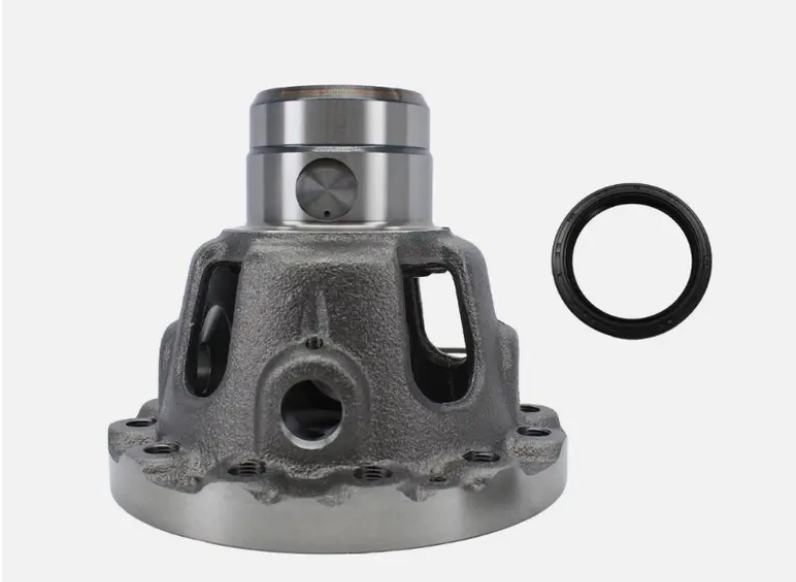
The engine operates as the primary power generator. Its sole operational purpose is the conversion of potential energy into kinetic energy. In internal combustion vehicles, this means converting the chemical energy of atomized fuel into mechanical energy. The engine achieves this through controlled explosions within its cylinders, driving pistons downward to rotate a crankshaft. This rotational force, measured as torque, represents the raw output of the engine.
The engine does not respond to vehicle speed; it only responds to throttle input and load. Without a secondary system to manage this rotational force, the vehicle would be undrivable. An engine's RPM range is too narrow to accommodate both low-speed crawling and highway cruising. If you bolted a driveshaft directly to a crankshaft, the engine would stall immediately upon touching the ground, or it would redline before you reached 30 miles per hour.
The transmission takes the raw rotational force from the engine and makes it usable for the street. It focuses entirely on torque multiplication and speed regulation. Internal combustion engines only produce efficient power within a specific RPM band. The transmission uses a series of gear ratios to keep the engine operating within this optimal power band, regardless of how fast the wheels are turning.
In first gear, the transmission multiplies engine torque to overcome the vehicle's static mass. This allows a heavy truck to accelerate from a dead stop without stalling the engine. As vehicle speed increases, the transmission shifts into higher gears. This reduces torque multiplication but increases the rotational speed of the output shaft. Overdrive gears allow the vehicle to cruise at highway speeds while keeping engine RPM low, reducing heat and saving fuel.
The physical boundary between these two systems is distinct and easy to spot when you are under a vehicle. The engine block terminates at the rear main seal. Directly behind this seal sits the flywheel for manual transmissions or the flexplate for automatic transmissions. The transmission features a large, bell-shaped metal casing called the bell housing. This bell housing bolts directly onto the rear of the engine block, aligned by heavy-duty steel dowel pins.
Inside this enclosed space, the two systems connect. In an automatic transmission, a fluid-filled torque converter bolts to the engine's flexplate. The torque converter slides onto the transmission's input shaft. In a manual transmission, a friction clutch assembly clamps onto the engine's flywheel. This physical connection point allows power to transfer while providing a mechanism to temporarily disconnect the engine from the transmission when stopping at a red light or shifting gears.
Modern powertrains share a complex digital communication bridge via the Controller Area Network (CAN) bus. The Transmission Control Module (TCM) cannot make accurate shifting decisions without real-time data from the engine. The TCM monitors various car engine parts to determine driver intent and engine load.
The Throttle Position Sensor tells the transmission how aggressively the driver is accelerating. The Mass Airflow Sensor provides data on engine load. If you press the accelerator to the floor, the engine sensors relay this data to the TCM. The TCM then commands the transmission to downshift for maximum passing power. This heavy reliance on shared data means an electrical fault in the engine bay can easily manifest as a shifting problem, sending mechanics on a wild goose chase if they do not read the live data streams.

To accurately diagnose mechanical failures, you must know which components belong to which system. Misidentifying a part leads to flawed diagnostic logic and wasted labor hours. We categorize these components based on their primary function: power generation versus power distribution.
Engine components endure extreme heat, high pressure, and rapid friction. They are built to contain and harness combustion.
Cylinder Block & Head: The cylinder block is the heavy cast iron or aluminum foundation of the engine. It houses the cylinders where combustion occurs. The cylinder head bolts to the top of the block, sealing the cylinders and housing the valves and spark plugs.
Rotating Assembly: This is the mechanical heart of the engine. It includes the crankshaft, connecting rods, and pistons. The downward force of the pistons forces the connecting rods to turn the crankshaft, converting linear motion into rotational motion.
Valvetrain: Located primarily in the cylinder head, the valvetrain controls the flow of air and fuel into the cylinders and exhaust gases out. It consists of camshafts, lifters, rocker arms, valves, and the timing chain or belt that keeps the camshaft synchronized with the crankshaft.
Engine Management Sensors: These electronic components monitor the engine's physical state. Camshaft and crankshaft position sensors dictate ignition timing. Oxygen sensors monitor exhaust gases to adjust the fuel trim. When these car engine parts fail, the engine may run rough, stall, or fail to start entirely.
Transmission components manage hydraulic pressure, friction, and gear meshing. They are built for precision routing of rotational force.
Planetary Gear Sets (Automatic) / Gear Clusters (Manual): Automatic transmissions use planetary gear sets. This involves a central sun gear surrounded by planet gears and an outer ring gear. By holding or driving different parts of this set using clutch packs, the transmission creates various gear ratios. Manual transmissions use parallel shafts with pairs of gears that mesh together based on the driver's physical input.
CVT Belts and Pulleys: Continuously Variable Transmissions discard traditional gears. They use a heavy-duty steel push-belt suspended between two variable-diameter pulleys. As the pulleys change width, the belt rides higher or lower, creating an infinite number of gear ratios for maximum fuel efficiency.
Valve Body & Solenoids: The valve body is the hydraulic brain of an automatic transmission. It contains a maze of channels that route pressurized transmission fluid. Electronic solenoids open and close these channels, directing fluid to specific clutch packs to execute gear shifts.
Torque Converter / Clutch: The torque converter uses fluid dynamics to transfer power from the engine to an automatic transmission, allowing the vehicle to idle in gear without stalling. A manual clutch uses friction discs clamped together by heavy springs to achieve the same connection.
EV Reduction Gears: Electric vehicles generally do not require multi-speed transmissions because electric motors provide maximum torque at zero RPM. Instead, they use a simplified single-speed reduction gear to step down the high-RPM output of the electric motor to a usable wheel speed.
Powertrain Component Functions
| System | Primary Function | Key Components | Fluid Type |
|---|---|---|---|
| Engine | Power Generation (Combustion/Electrical) | Crankshaft, Pistons, Valvetrain, Block | Motor Oil (e.g., 5W-30) |
| Automatic Transmission | Torque Multiplication & Routing | Planetary Gears, Valve Body, Torque Converter | ATF (Automatic Transmission Fluid) |
| Manual Transmission | Driver-Controlled Gear Selection | Gear Clusters, Synchronizers, Friction Clutch | Manual Gear Oil or specific ATF |
| CVT | Infinite Ratio Speed Regulation | Steel Push-Belt, Variable Pulleys | CVT Specific Fluid (CVTF) |
When a vehicle drives poorly, the driver feels the symptom, not the source. A vibration in the steering wheel or a hesitation during acceleration requires careful isolation. You must separate engine performance issues from transmission routing issues before turning a single wrench.
Engine failures typically manifest as disruptions in the combustion process or internal mechanical degradation. You will notice these issues regardless of what gear the vehicle is in.
Combustion Misfires: If the engine stumbles, shakes violently at idle, or sounds like it is sputtering, a cylinder is failing to ignite its fuel mixture. This points directly to spark plugs, ignition coils, or fuel injectors. You will typically see a flashing check engine light and a P0300-series code.
Knocking or Pinging: A deep, rhythmic knocking sound from the lower engine block usually indicates worn connecting rod bearings. Mechanics call this rod knock, and it means the engine requires a full rebuild. A higher-pitched pinging under acceleration indicates pre-ignition or detonation within the cylinders, often caused by bad fuel or carbon buildup.
Exhaust Smoke Variations: Blue smoke from the tailpipe means the engine is burning its own lubricating oil, often due to worn piston rings or valve seals. Black smoke indicates a rich fuel mixture. Thick white smoke that smells sweet indicates coolant is breaching the combustion chamber, usually a blown head gasket.
Fluid Mixing: If you pull the engine dipstick and the oil looks like a frothy, milky brown milkshake, engine coolant has breached the oil passages. This is an exclusive engine failure requiring immediate teardown.
Transmission failures manifest as disruptions in power delivery, even when the engine is running perfectly and idling smoothly.
Delayed Gear Engagement: You shift from Park to Drive, press the accelerator, and the engine revs, but the vehicle does not move for several seconds before slamming into gear. This indicates low fluid pressure, a clogged internal filter, or worn internal seals.
Slipping Under Load: While driving up a hill, the engine RPM suddenly spikes, but the vehicle speed remains the same or drops. The transmission's internal clutch packs are failing to hold the torque. The friction material is worn away.
Harsh Shifts and Grinding: An automatic transmission that clunks violently into gear points to a failing valve body or damaged accumulators. A manual transmission that grinds when shifting indicates worn synchronizer rings blocking the gear engagement.
Fluid Condition: Transmission fluid should be bright red and translucent. Pull the transmission dipstick and wipe it on a white paper towel. If the fluid is dark brown, opaque, and smells like burnt toast, the internal friction materials are disintegrating.
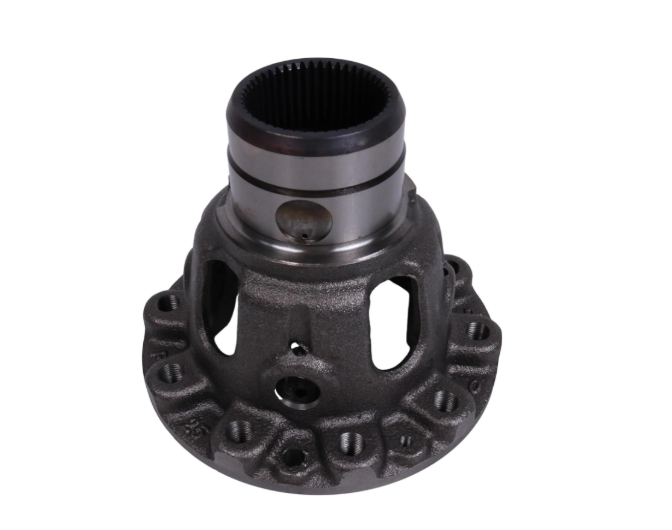
Certain symptoms blur the line between engine and transmission, requiring advanced diagnostic tools to pinpoint the root cause.
Limp Mode: When the vehicle's computer detects a critical powertrain fault, it triggers a failsafe mode. This restricts engine RPM and locks the transmission in a single gear (usually 2nd or 3rd) to prevent further damage. Limp mode can be triggered by a failing engine sensor or a slipping transmission clutch. You must pull the OBD-II codes to know which system triggered the failsafe.
Vibrations and Shudders: A vibration felt while stopped in gear is often a collapsed engine mount transferring normal engine harmonics into the cabin. However, a severe shudder felt precisely between 35 and 45 mph during light acceleration is a classic symptom of torque converter clutch degradation.
Check Engine Light (CEL): The CEL does not only illuminate for engine problems. The Engine Control Unit (ECU) also monitors the transmission. If the transmission slips, the ECU will detect the discrepancy between engine RPM and wheel speed, illuminating the CEL and storing a P0700-series diagnostic trouble code.
Diagnostic Symptom Isolation
| Symptom | Likely Engine Cause | Likely Transmission Cause | Diagnostic Tool Required |
|---|---|---|---|
| Vehicle Shakes at Idle | Misfiring cylinder, bad spark plug | Broken transmission mount | OBD-II Scanner (Misfire Data) |
| RPM Spikes while Driving | Vacuum leak causing high idle | Worn clutch packs slipping | Live Data Stream (Input/Output Speed) |
| Loud Whining Noise | Failing alternator or power steering pump | Failing transmission front pump | Mechanic's Stethoscope |
| Fluid Puddle under Car | Rear main seal leak (Black/Brown oil) | Pan gasket leak (Red/Brown fluid) | Visual Inspection / UV Dye |
Once you isolate the failure to either the engine or the transmission, you face a complex financial decision. Powertrain repairs represent the highest labor expenditures in vehicle maintenance. You must weigh the cost of localized repairs against full unit replacements.
Engine repairs are generally categorized by where the damage occurred: the top end or the bottom end.
Top-End Rebuilds: Failures in the cylinder head, such as bent valves, blown head gaskets, or worn camshafts, can often be repaired without removing the engine block from the vehicle. Mechanics remove the intake manifold and cylinder head while the block stays bolted to the mounts. This localized repair is labor-intensive but generally cost-effective compared to a full replacement.
Bottom-End Rebuilds: If the crankshaft is scored or a connecting rod has snapped, the entire engine must be removed and completely disassembled on an engine stand. At this stage, rebuilding the bottom end piece-by-piece is rarely viable due to massive labor costs and machining fees.
Remanufactured Swaps: For severe bottom-end damage, installing a remanufactured engine block (a "long block") is the standard protocol. It provides a reliable, warrantied solution with predictable labor hours, rather than gambling on sourcing individual internal components for a custom rebuild.
Transmission repairs require a different approach, heavily influenced by mileage and the specific type of internal failure.
Fluid Flush vs. Drain and Fill: Preventative maintenance keeps transmissions alive. However, performing a high-pressure fluid flush on a neglected transmission with 150,000 miles can dislodge beneficial friction material and sludge, causing immediate failure. High-mileage units should only receive a gentle drain, filter replacement, and refill.
Valve Body and Solenoid Replacement: Many modern automatic transmission issues are hydraulic or electrical, not mechanical. If a specific shift solenoid fails, technicians can often drop the transmission pan and replace the valve body or solenoids without removing the entire transmission from the vehicle. This saves thousands in labor.
Full Rebuild vs. Remanufactured Swap: If the internal clutch packs or planetary gears are destroyed, the transmission must be removed. Rebuilding a transmission locally requires a highly specialized technician, a clean room, and significant downtime. Swapping in a factory-remanufactured transmission often carries a higher parts cost but significantly lower labor hours and a stronger nationwide warranty.
When replacing components in either system, part sourcing dictates long-term reliability. For structural hard parts like an engine block or a transmission casing, aftermarket options are virtually non-existent. However, for the sensors and electronics that control these systems, you face a choice between Original Equipment Manufacturer (OEM) and aftermarket parts.
You must strictly utilize OEM components for internal transmission sensors and critical engine timing components. Aftermarket sensors often operate on slightly different voltage scales. The TCM and ECU are highly sensitive to these variances. Installing a cheap aftermarket camshaft position sensor can cause the ECU to miscalculate timing, resulting in erratic transmission shifting and engine misfires. Do not cut corners on powertrain electronics.
Powertrain repairs carry immense risk. A single misstep during diagnosis or reassembly can destroy a brand-new component within miles. You must implement strict mitigation strategies to protect the hardware.
The greatest financial danger in powertrain maintenance is replacing the transmission when the root cause was an engine sensor. Because the transmission relies on engine data to shift, a faulty Mass Airflow (MAF) sensor can report incorrect engine load data to the TCM. The TCM responds by dropping transmission line pressure, causing the transmission to slip violently.
If a technician replaces the transmission without checking the MAF sensor data, the brand-new transmission will exhibit the exact same slipping behavior. Always verify sensor data streams with a live OBD-II scanner before condemning a transmission. Look at the calculated load value and throttle position data to ensure the engine is sending the right signals.
Powertrain systems share cooling resources. Most automatic vehicles route hot transmission fluid through a heat exchanger located inside the engine's primary radiator. If the internal barrier of this radiator ruptures, pressurized engine coolant mixes with the transmission fluid. This creates a toxic, strawberry-milkshake-like substance that destroys the transmission's friction clutches within minutes.
When replacing a transmission that failed due to fluid contamination, you must also replace the engine radiator and flush all cooler lines. Failing to mitigate this collateral damage guarantees a repeat failure. The new transmission will ingest the leftover coolant from the lines and destroy itself on the first test drive.
Mechanical installation is only half the job. Modern powertrains require extensive digital calibration after major repairs.
TCM Adaptive Learning: Transmissions learn your driving habits and adjust hydraulic pressure to compensate for clutch wear over time. If you install a new transmission or valve body, you must use a scan tool to reset the TCM's adaptive learning tables back to zero. If you skip this step, the TCM will apply high pressure meant for worn clutches to the brand-new clutches, causing harsh shifts and rapid component failure.
Engine Timing Relearns: After replacing major internal engine components or timing sets, the ECU must perform a crankshaft position relearn procedure. This synchronizes the digital timing map with the new physical position of the rotating assembly.
Firmware Updates: Always check for manufacturer Technical Service Bulletins (TSBs). Manufacturers frequently release ECU and TCM firmware updates to correct shifting logic or fuel mapping issues. Flashing the latest software ensures the new hardware operates under the most optimized parameters.
The transmission is definitively not a part of the engine. It is a separate, highly complex component of the powertrain responsible for managing and routing the power the engine creates. While they bolt together and share digital data, their internal mechanics, failure symptoms, and repair protocols are entirely distinct. Blurring the lines between power generation and power distribution leads to catastrophic diagnostic errors.
When facing severe powertrain issues, prioritize diagnostic certainty above all else. Never authorize major teardowns or unit replacements based on a simple road test or a single check engine light code. You must isolate the failure using data-driven methods to ensure you are repairing the correct system.
Take the following steps to evaluate your powertrain:
Pull all active, pending, and stored diagnostic trouble codes (DTCs) from both the ECU and the TCM using an advanced scan tool.
Check the condition, level, and smell of both the engine oil and the transmission fluid to identify internal mechanical degradation.
Perform a dedicated road test while monitoring live sensor data, specifically comparing engine RPM against transmission input/output shaft speeds.
Consult a specialized drivetrain technician for a comprehensive repair estimate before purchasing replacement units.
A: Generally, no. A failing transmission will cause poor drivability, stalling, or leave you stranded, but it rarely causes internal mechanical damage to the engine block or rotating assembly. The engine will simply rev without transferring power to the wheels.
A: The two systems bolt together at the bell housing. Inside this housing, the engine's flexplate connects to the transmission's torque converter in automatics. In manual vehicles, the engine's flywheel connects to the transmission's clutch assembly.
A: The powertrain encompasses everything that generates and delivers power, including the engine and the transmission. The drivetrain refers only to the components that deliver power to the wheels, which includes the transmission, driveshaft, and axles, but strictly excludes the engine.
A: Yes. The Engine Control Unit monitors the transmission's performance. If it detects slipping, delayed shifts, or electrical faults within the transmission control module, it will illuminate the check engine light and store specific transmission-related fault codes.
A: No. Engine oil is designed to lubricate internal combustion components and handle extreme heat and soot. Automatic Transmission Fluid is a highly specialized hydraulic fluid designed to transfer power, create friction for clutch packs, and operate hydraulic valves.
A: Yes. The transmission is a separate modular unit. Technicians can unbolt the transmission from the engine block, remove it from the chassis, and install a new or remanufactured transmission while leaving the original engine completely intact.

